 Cart
Cart


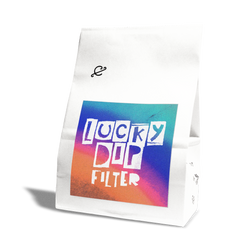
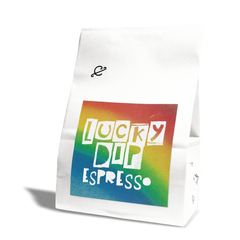

Perched high in the remote hills of Burundi, Heza Washing Station sits among steep mountain roads, log bridges built by hand and rolling landscapes covered in coffee, tea and banana trees. The station takes its name from the Kirundi word for “beautiful place”, and at 1960 metres above sea level, it bloody earns it.
We’ve opted for two lots from Nkonge Hill (2000-2200 MASL), one washed and one natural, showcasing how processing can shape coffees grown from the same high-altitude landscape. The cool climate and elevation allow for slow cherry maturation, developing flavours, and high density coffee. The washed bright, crisp yet balanced, the natural is full of jammy sweetness.
At Heza, freshly harvested cherries are delivered by hundreds of local smallholder farmers and carefully hand sorted before processing begins. The washed lots undergo pulping and a lengthy underwater fermentation ~36 hours using fresh spring water drawn from nearby natural sources, the coffee is sometimes “footed” (think like pigeage in wine) to remove mucilage before being slowly dried on raised African beds for up to 20 days. The natural lots follows a different path, drying whole fruit for close to a month on the same raised bed, allowing sugars and fruit forward characteristics to fully develop as the cherries darken from deep red to purple-black.
We’ve been purchasing Long Miles for close to five years, via our pals at Osito and we’re honoured to showcase their work every year. If you’re feeling adventurous, we’d highly recommend blending these coffees together at a 50/50 ratio to make something even greater than the sum of its parts. We did so on a whim and now it’s become a firm favourite in the roastery, with notes of starfruit, peach tea and honeycomb three bangers for the price of two.